Looking for inspiration
Wе›rгіd Nas-vr.rar May 2026
This isolation amplifies the psychological core of the game: paranoia. In the original version, communication was largely restricted to text or external voice chats during meetings. The virtual reality version introduces spatial voice chat, meaning players can hear others getting closer or further away. Whispering plans in a dark corner or hearing a sudden scream cut short in the next room adds a layer of visceral horror that the flat version could never achieve. The physical act of pointing a finger at a suspect or physically backing away from a player who seems too aggressive makes the social manipulation feel incredibly real.
The transition of this game into virtual reality is more than a simple visual upgrade. It represents a total evolution of the social deduction genre. By stripping away the safety net of the top-down view and forcing players to physically inhabit a space of mistrust, the virtual reality adaptation proves that true horror and tension come not from graphics, but from the raw, unmediated interaction between human beings in a high-stakes environment. What specific aspect of the virtual reality experience WЕ›rГіd nas-VR.rar
The game also forces a physical engagement with tasks that was absent in the original. Instead of clicking a mouse or tapping a screen to connect wires or swipe a card, players must physically use their hands to manipulate objects in the virtual space. This demands sustained focus and physical coordination, diverting the player's attention away from their physical surroundings. This intense focus makes the sudden appearance of an impostor startling and genuinely terrifying. This isolation amplifies the psychological core of the
The prompt "Wśród nas-VR.rar" points to a compressed file containing the virtual reality adaptation of the immensely popular social deduction game, Among Us . The Polish phrase translates directly to "Among Us-VR." This transition from a flat, two-dimensional screen to an immersive, first-person virtual reality environment represents a monumental shift in how players experience tension, paranoia, and social interaction. Whispering plans in a dark corner or hearing
By removing the top-down perspective, the virtual reality version fundamentally alters the player's spatial awareness. In the original game, players enjoyed a omniscient-style view of their immediate surroundings, allowing them to see overhead obstacles and easily track movements. The virtual reality adaptation forces players into a strict first-person perspective, where their field of view is limited to what is directly in front of them. This limitation exponentially heightens the sense of vulnerability. Turning a corner or performing a task becomes a nerve-wracking gamble, as players can no longer see who is stalking them from behind.

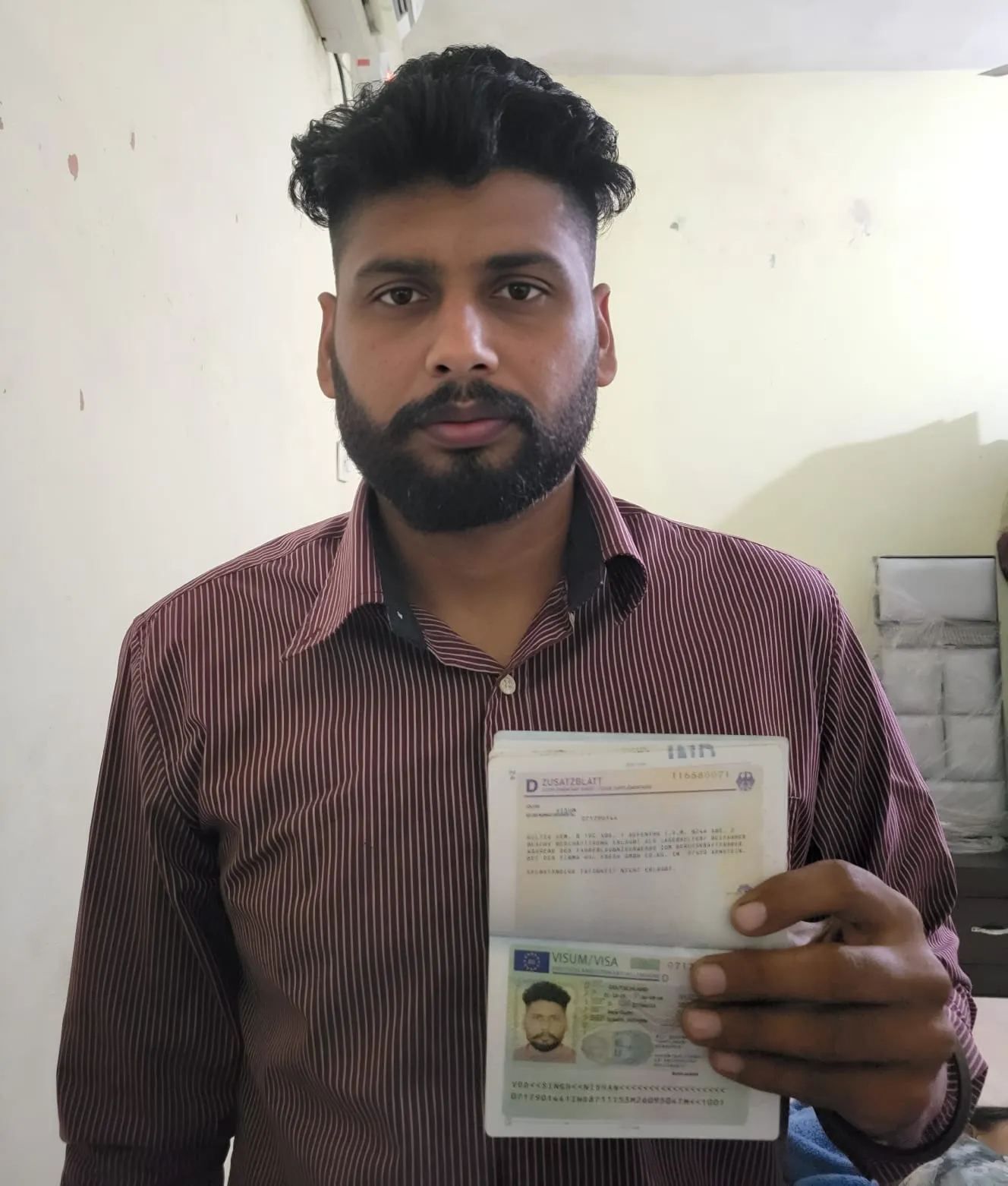


At AtoZ Serwis Plus, we help you become a global citizen with trusted support for jobs abroad, overseas education, and visa processing tailored to your goals.
Read More
1000+Visa Success

1M+ Guided

Experts

Offices

Online Services
Our Solutions
Connecting employers, job seekers, students, and agencies across Europe and beyond.

Register as an Employer Partner!
Looking to hire skilled or semi-skilled workers from Asia, Africa, the CIS, or EU countries? AtoZ Serwis Plus supports your recruitment needs for Poland, Germany, Slovakia, Hungary, Lithuania, Estonia, and beyond. We deliver comprehensive legal recruitment services, visa support, and seamless onboarding solutions tailored to your business goals. Partner with us to build a reliable, compliant, and efficient workforce.
Employer
Job Seekers Registration!
Looking to hire skilled or semi-skilled workers from Asia, Africa, the CIS, or EU countries? AtoZ Serwis Plus supports your recruitment needs for Poland, Germany, Slovakia, Hungary, Lithuania, Estonia, and beyond. We deliver comprehensive legal recruitment services, visa support, and seamless onboarding solutions tailored to your business goals. Partner with us to build a reliable, compliant, and efficient workforce.
Job Seekers
Register as a Recruitment Partner!
Are you a recruiter looking to place workers in Poland, Germany, Slovakia, or other EU destinations? AtoZ Serwis Plus provides you with trusted employer connections, legal recruitment solutions, verified job placements, and full visa assistance. Expand your recruitment business with confidence, supported by clear processes, reliable documentation, and transparent migration services.
RecruiterDo you have any questions?
Looking to work and live in Europe? At AtoZ Serwis Plus, we’re here to guide you every step of the way. Our experts provide support with job search assistance, work visa applications, qualification recognition, and European language learning. To connect with us and get started on your European journey, click one of the contact icons below.