-

Sign In

-
Sign Out
-

Don’t miss out on valuable benefits & tool functionality
Asnyk uses this religious imagery to provide comfort. By framing independence as something "God willing" (Da Bóg), he implies that the Polish identity is indestructible and that history has a righteous conclusion. It serves as a for a people who felt abandoned by the rest of the world. The Role of the Poet
The core of the poem is a conditional vision: "Da Bóg" (God willing). This phrase immediately establishes a sense of and divine justice . Asnyk does not just dream of a political border; he dreams of a moral and social restoration. sanah (I) Da BГіg kiedy zasi w Polsce wolnej (A. Asnyk)
This essay explores the patriotic and messianic themes in Adam Asnyk’s poem "Da Bóg, kiedyś zasię w Polsce wolnej," analyzing how it reflects the 19th-century Polish struggle for independence and the poet's vision of a restored nation. Asnyk uses this religious imagery to provide comfort
In this imagined free Poland, the poet envisions a return to and dignity . The "freedom" Asnyk describes is not merely the absence of foreign soldiers, but the presence of internal harmony. He suggests that in a free state, the creative and intellectual energy of the Polish people, previously exhausted by survival and grief, could finally be channeled into building a future. Religious and Messianic Undertones The Role of the Poet The core of

Updating your tool coverage with a full year TCP subscription is fast and easy. Choose one of four easy ways to renew your coverage and your Autel tool will be up and running with unlimited access to the latest software and functionality.
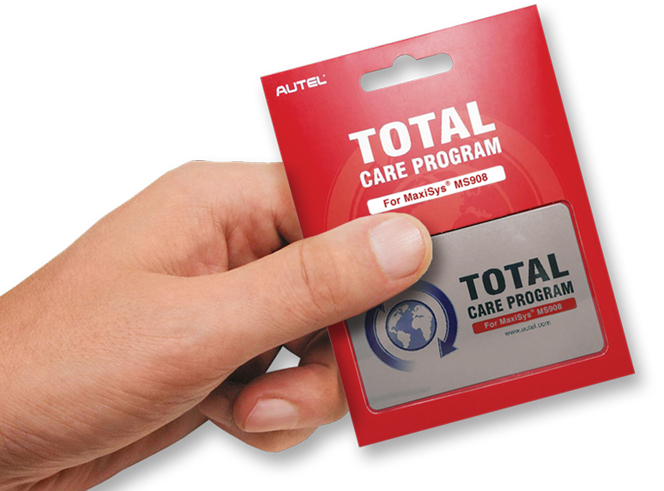
Pick up a card and enter the number from the back.
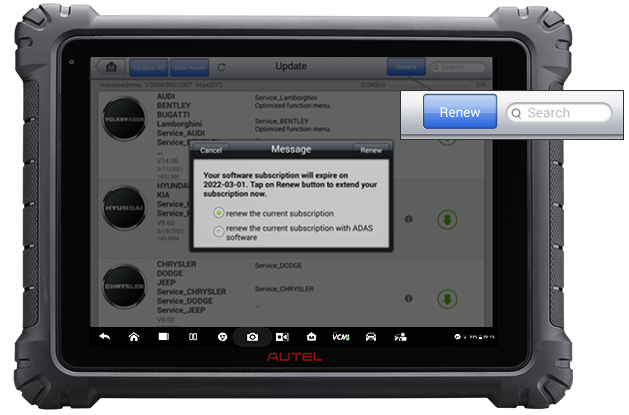
Find An Autel DealerRenewing right from the tool is quick and easy.
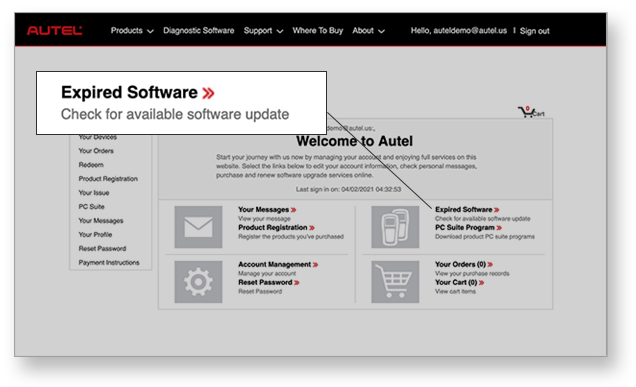
Visit pro.autel.com and sign in with your Autel ID. Click the "Expired Software" link to identify which of your tools needs a software update.
Buy Online Now
Our friendly support staff are happy to guide you through the update process.