Studies show that trans women are frequently overrepresented in sex work not by choice, but due to systemic discrimination in traditional employment sectors.
Scholarly articles often focus on how this type of media representation influences the lived experiences of transgender people.
Some trans performers may choose to use these terms to capitalize on existing search traffic or to reclaim the language, but this remains a point of significant debate within the community. Sociological and Mental Health Impacts
Terms like "shemale" emerged in the pornography industry to describe trans women or individuals with male genitalia and female secondary sex characteristics.
Many in the transgender community consider these terms offensive because they imply a person is merely a sexual object or a "plot twist" rather than a human being.
Recent media analysis suggests a shift toward more authentic portrayals. GLAAD reports that audiences increasingly prefer realistic stories told by transgender creators themselves.
In the adult industry, specific labels are often used for marketing and search optimization rather than to accurately describe identity.
Research into this topic often explores how such industry labels affect public perception, the mental health of transgender individuals, and the socioeconomic factors that lead trans people toward sex work. Understanding Industry Terminology
Studies show that trans women are frequently overrepresented in sex work not by choice, but due to systemic discrimination in traditional employment sectors.
Scholarly articles often focus on how this type of media representation influences the lived experiences of transgender people.
Some trans performers may choose to use these terms to capitalize on existing search traffic or to reclaim the language, but this remains a point of significant debate within the community. Sociological and Mental Health Impacts huge ass she males
Terms like "shemale" emerged in the pornography industry to describe trans women or individuals with male genitalia and female secondary sex characteristics.
Many in the transgender community consider these terms offensive because they imply a person is merely a sexual object or a "plot twist" rather than a human being. Studies show that trans women are frequently overrepresented
Recent media analysis suggests a shift toward more authentic portrayals. GLAAD reports that audiences increasingly prefer realistic stories told by transgender creators themselves.
In the adult industry, specific labels are often used for marketing and search optimization rather than to accurately describe identity. Sociological and Mental Health Impacts Terms like "shemale"
Research into this topic often explores how such industry labels affect public perception, the mental health of transgender individuals, and the socioeconomic factors that lead trans people toward sex work. Understanding Industry Terminology
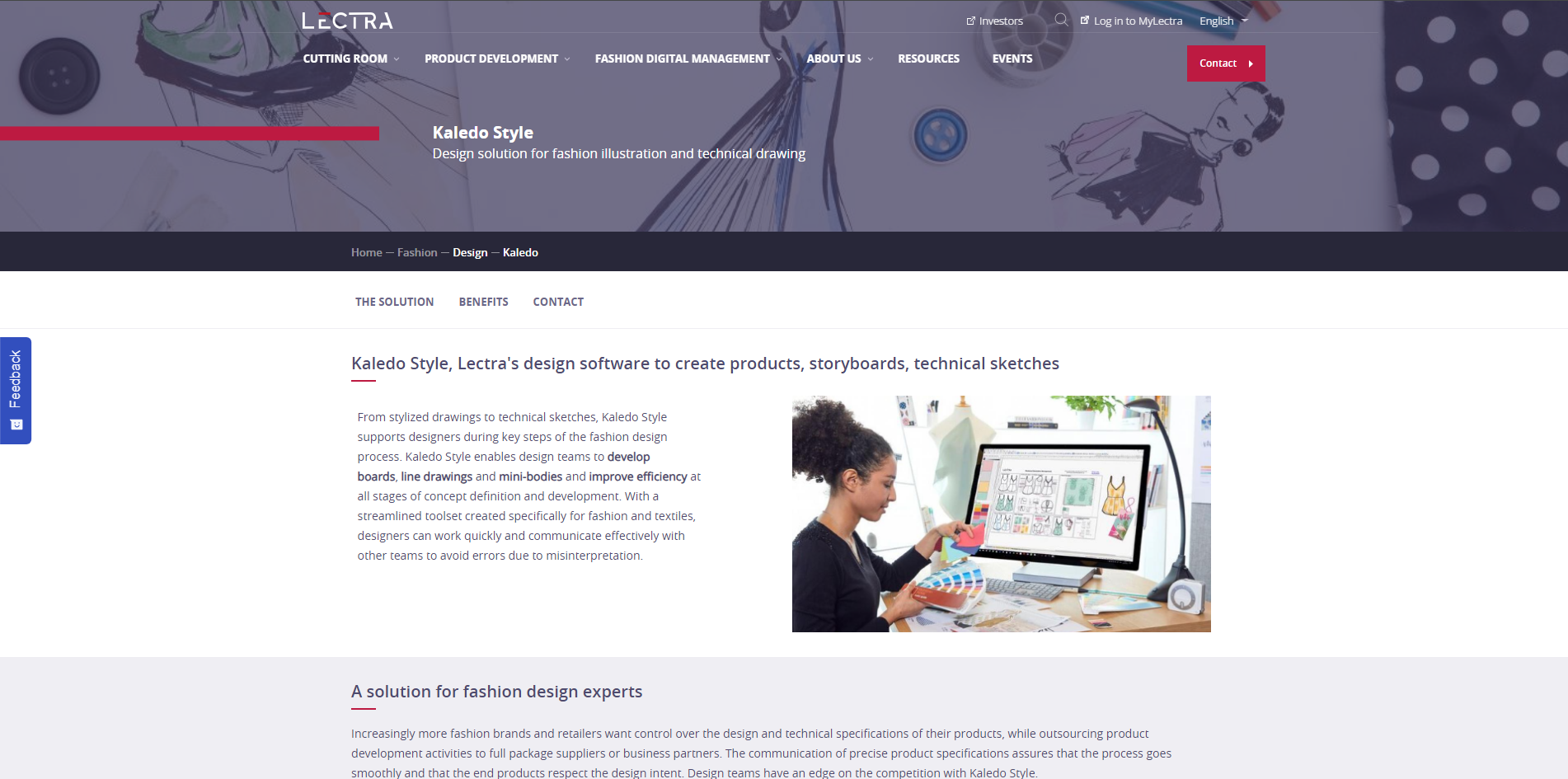
Brings 50 years of industry experience, offering innovative and unique solutions like Kaledo Style for fashion illustration
Invests significantly in R&D, showcasing a strong commitment to continuous improvement and development
Provides a comprehensive range of equipment and digital management tools for the fashion industry
The breadth of Lectra's offerings may be overwhelming for small businesses or those seeking specific niche solutions
Upon signing up with Lectra, expect to be introduced to their range of design software solutions like Kaledo Style, specifically created for fashion illustration and technical drawing. Lectra's onboarding process will likely guide you through the efficient use of their design tools and offer support to ensure clarity in product specifications. To get started with Lectra, visit their website, explore the 'Fashion' section, and contact them to learn more about their solutions. If Lectra isn't the right choice, you can always check out the rest of our rankings.