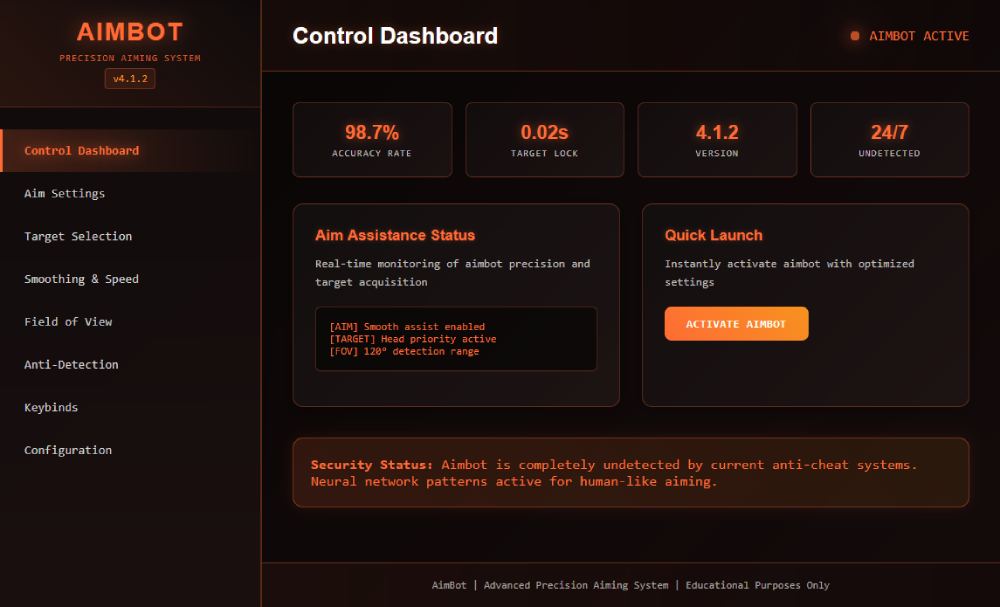
Elevate your gameplay with the most advanced Quake 3 aimbot. Gain the upper hand with superior accuracy, customizable options, and seamless integration.
During a complex medical simulation, Elena’s team—now comfortable with one another’s styles—worked as a single unit to negotiate a difficult patient outcome, scoring significantly higher in leadership and management than teams that were strangers to each other. Why Familiarity Matters
In a busy urban medical center, Dr. Elena Rossi, a first-year internal medicine resident, was used to the "transient" nature of her work. Like many residents in large academic hospitals, she rotated through different floors every few weeks, rarely seeing the same nurse twice. Communication was functional but rushed, often leading to a "jumble of disconnected providers" rather than a cohesive team.
This changed when the hospital implemented a new scheduling model based on the study . Instead of hopping from floor to floor, Elena was assigned to the same medical unit for 16 consecutive weeks. The Transformation of the Team
Initially, Elena felt the weight of being "known." In a high-familiarity environment, residents were often more afraid of being judged by their colleagues because their reputation preceded them. However, as the weeks passed, a shift occurred:
Increased familiarity acted as a "team-building activity" in real-time, fostering —the belief that the team's environment is safe for interpersonal risk-taking. By working together more often, the team didn't just learn medical protocols; they learned each other , leading to better trust and fewer "accidents and mistakes" caused by poor communication.
Join thousands of players who have enhanced their gameplay
Completely free with no hidden costs or premium features. Download Increased Interprofessional Familiarity pdf
Thoroughly scanned and verified by multiple antivirus engines. Safe for your computer. Like many residents in large academic hospitals, she
Regular updates ensure compatibility with the latest Quake 3 versions. Instead of hopping from floor to floor, Elena
Join a community of satisfied players who trust our aimbot.
Get started in 3 simple steps
Click the download button above to get the latest version. Extract the ZIP file to any folder on your computer.
Double-click the executable file to start the aimbot. No installation required - it runs directly from the folder.
Launch Quake 3 and start playing. The aimbot will automatically enhance your targeting.
During a complex medical simulation, Elena’s team—now comfortable with one another’s styles—worked as a single unit to negotiate a difficult patient outcome, scoring significantly higher in leadership and management than teams that were strangers to each other. Why Familiarity Matters
In a busy urban medical center, Dr. Elena Rossi, a first-year internal medicine resident, was used to the "transient" nature of her work. Like many residents in large academic hospitals, she rotated through different floors every few weeks, rarely seeing the same nurse twice. Communication was functional but rushed, often leading to a "jumble of disconnected providers" rather than a cohesive team.
This changed when the hospital implemented a new scheduling model based on the study . Instead of hopping from floor to floor, Elena was assigned to the same medical unit for 16 consecutive weeks. The Transformation of the Team
Initially, Elena felt the weight of being "known." In a high-familiarity environment, residents were often more afraid of being judged by their colleagues because their reputation preceded them. However, as the weeks passed, a shift occurred:
Increased familiarity acted as a "team-building activity" in real-time, fostering —the belief that the team's environment is safe for interpersonal risk-taking. By working together more often, the team didn't just learn medical protocols; they learned each other , leading to better trust and fewer "accidents and mistakes" caused by poor communication.