Daniela Vladescu - Pasi Pierduti ã€90% REAL】

The song is a quintessential example of the "Golden Era" of Romanian pop.

Her classical training ensures every word of the Romanian lyrics is crystal clear, emphasizing the poetic nature of the "lost steps" metaphor. DANIELA VLADESCU - Pasi pierduti

She avoids over-the-top operatic flourishes, choosing instead a warm, breathy mezzo-soprano register that suits the song's intimate theme. The song is a quintessential example of the

"Pași Pierduți" (Lost Steps) is a nostalgic Romanian pop-ballad performed by the acclaimed soprano . The track highlights her transition from the rigid world of opera and operetta—where she is a household name—into the "Muzică Ușoară" (Light Music) genre that dominated Romanian airwaves in the late 20th century. Vocal Performance and Style "Pași Pierduți" (Lost Steps) is a nostalgic Romanian

While categorized as pop, the structural complexity and melodic phrasing lean toward the "Romanță" style, a traditional Romanian genre known for its sentimental and nostalgic character. Legacy and Availability

While she is often celebrated for her roles in films like , tracks like "Pași Pierduți" represent her versatility as a crossover artist. You can find her discography and various compilations containing her pop work through the Daniela Vlădescu collection on Discogs .

Commentary volume

Commentary volume

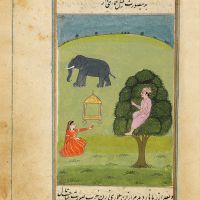
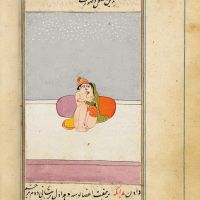
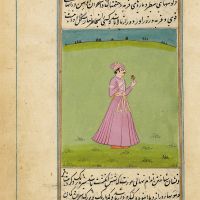
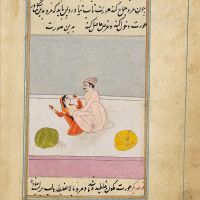
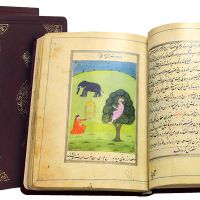
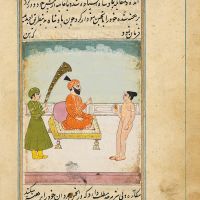
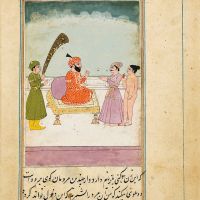
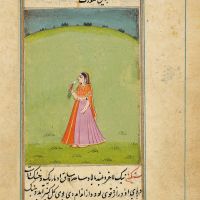
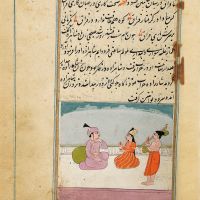
Lazzat al-nisâ (The pleasure of women)

Bibliothèque nationale de France


CONTENTS
 
  • From the Editor to the Reader
 
  • Lazzat al-nisâ and Its Significance in the Erotic Literature of the Persianate World.
Hormoz Ebrahimnejad (University of Southampton)
 
  • Lazzat al-nisâ. Translation.
Willem Floor (Independent Scholar), Hasan Javadi (University of California, Berkeley) and Hormoz Ebrahimnejad (University of Southampton)


ISBN : 978-84-16509-20-1

Commentary volume available in English, French or Spanish.

Lazzat al-nisâ (The pleasure of women) Bibliothèque nationale de France


Descripcion

Description

Lazzat al-nisâ (The pleasure of women)

Bibliothèque nationale de France


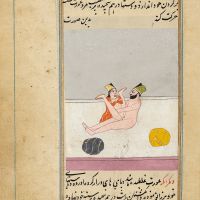
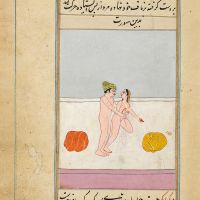
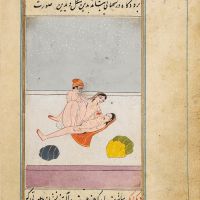
In Muslim India numerous treatises were written on sexology. Many of them included prescriptions concerning problems dealing with virility or, more precisely, with masculine sexual arousal. The Sanskrit text which is considered the primary source for all Persian translations is known as the Koka Shastra (or Ratirahasya) —derived from its author’s name, Pandit Kokkoka—, a title that was later given to all treatises in the genre. The Koka Shastra by Kokkoka was probably not the only such text known to Muslim authors.

The Lazzat al-nisâ is a Persian translation of the Koka Shastra, which contains descriptions of the four different types of women and indicates the days and hours of the day in which each type is more prone to love. The author quotes all the different works he has consulted, which have not survived to this day.


The song is a quintessential example of the "Golden Era" of Romanian pop.

Her classical training ensures every word of the Romanian lyrics is crystal clear, emphasizing the poetic nature of the "lost steps" metaphor.

She avoids over-the-top operatic flourishes, choosing instead a warm, breathy mezzo-soprano register that suits the song's intimate theme.

"Pași Pierduți" (Lost Steps) is a nostalgic Romanian pop-ballad performed by the acclaimed soprano . The track highlights her transition from the rigid world of opera and operetta—where she is a household name—into the "Muzică Ușoară" (Light Music) genre that dominated Romanian airwaves in the late 20th century. Vocal Performance and Style

While categorized as pop, the structural complexity and melodic phrasing lean toward the "Romanță" style, a traditional Romanian genre known for its sentimental and nostalgic character. Legacy and Availability

While she is often celebrated for her roles in films like , tracks like "Pași Pierduți" represent her versatility as a crossover artist. You can find her discography and various compilations containing her pop work through the Daniela Vlădescu collection on Discogs .
Cookie preferences

We use our own and third-party cookies to improve our services by analyzing your browsing habits. For more information, you can read our cookie policy. You can accept all cookies, configure them, or reject their use by clicking one of the buttons below.