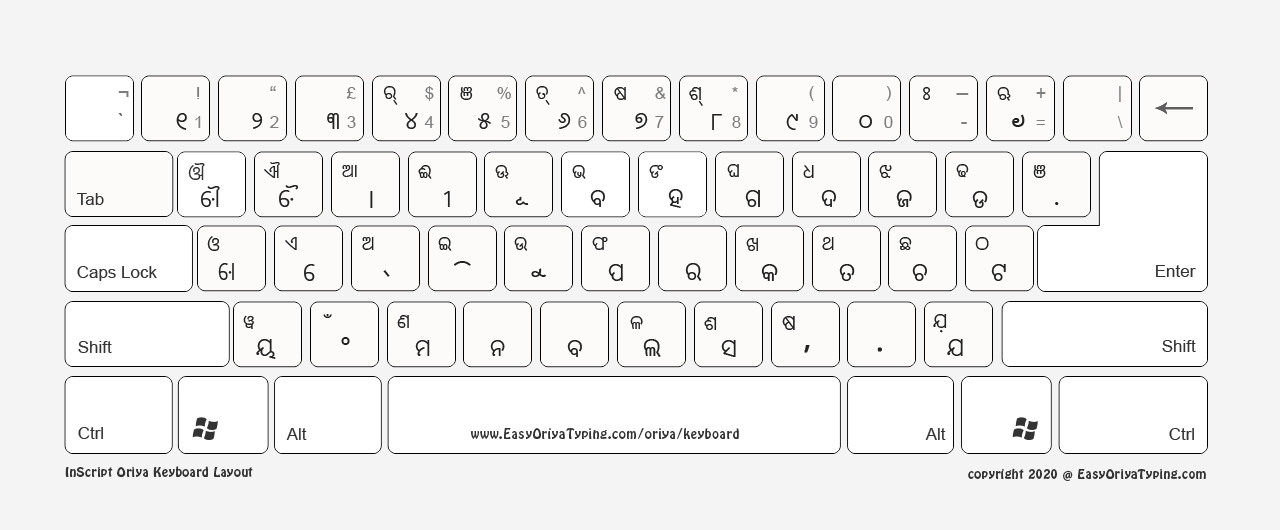
1. Standard Oriya Keyboard Layout
High resolution image suitable for printing.
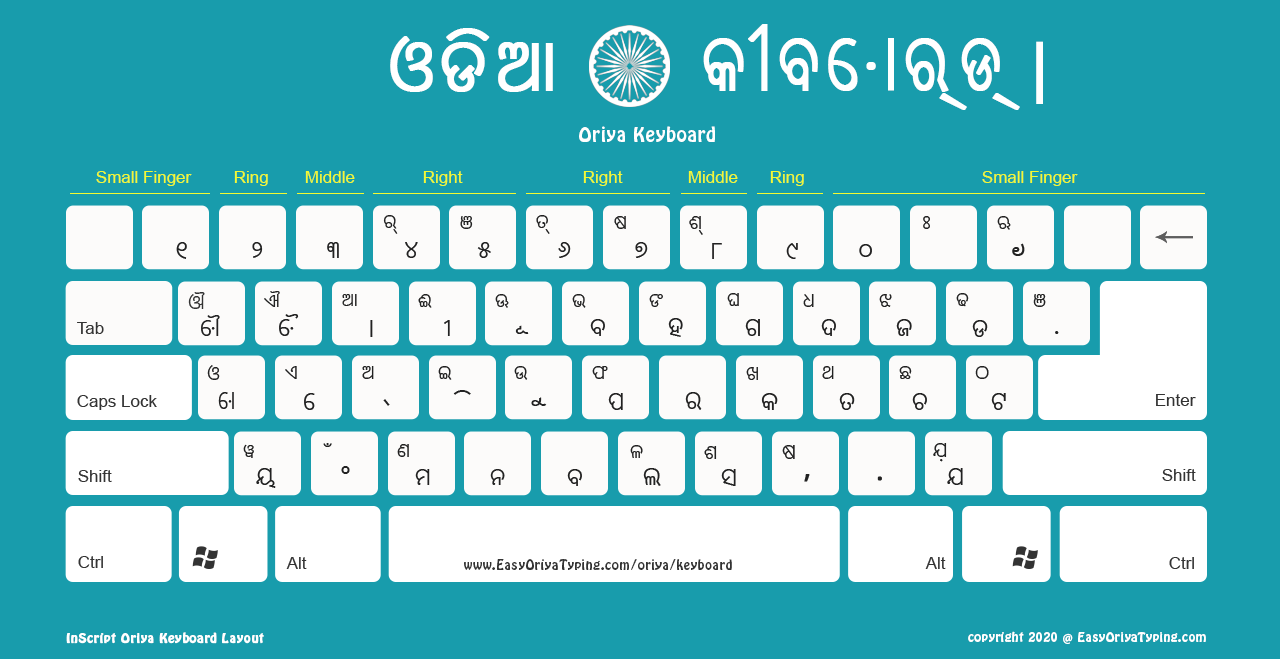
We have five different Oriya keyboard layouts for you to download on your computer. Once downloaded — you can use it as a reference to type in Oriya either on Word document or any other text editor. You also need to download the matching Oriya fonts.
High resolution image suitable for printing.
High resolution image suitable for printing.
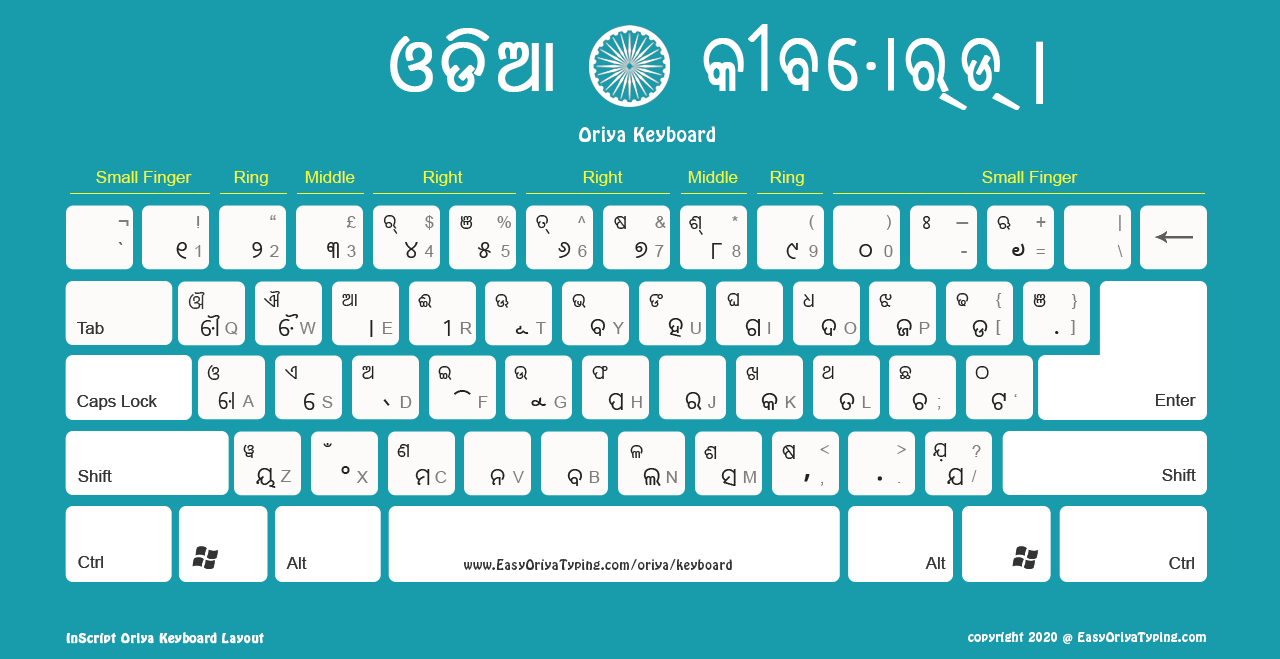
High resolution image suitable for printing.
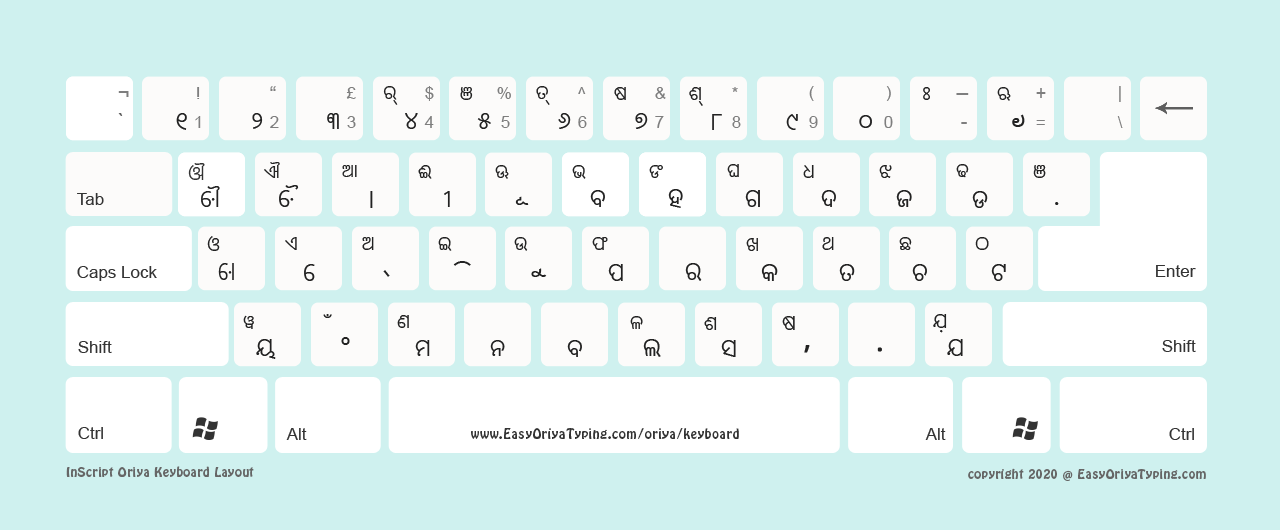
High resolution image suitable for printing.
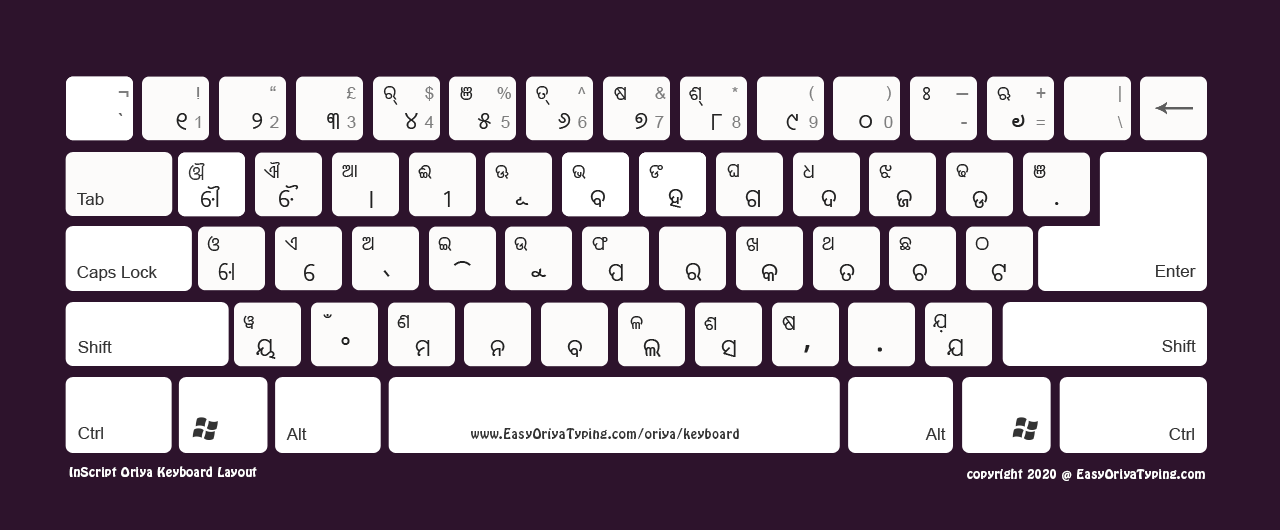
High resolution image suitable for printing.
Getting started with Oriya typing is simple! Follow our step-by-step process.
Install Odia font — head over to our extensive fonts repository and install your preferred typeface.
Download your ideal keyboard image through this simple downloading process:
Browse and click on your preferred keyboard style
Right-click anywhere on the enlarged image
Choose "Save image as..." and pick your storage location
Prepare your writing space by launching your go-to text application and activating the Oriya font you installed in step one.
Begin your Oriya writing journey! Display your keyboard reference image alongside your text editor for seamless typing guidance.
Space-saving tip: Working on a compact setup? Our high-resolution keyboards deliver stunning print quality — create a physical reference that's always within reach!
Ensures traditional accuracy — each layout preserves authentic Oriya script conventions and cultural writing traditions.
Offers complete flexibility — choose from multiple styles and backgrounds to match your personal or professional preferences.
Includes unrestricted usage rights — download, print, share, and modify for any purpose without limitations or hidden costs.
: Legislation at the time restricted the legal supply of cadavers to executed criminals, which was insufficient for the growing number of medical students.
: The story follows a medical student named Fettes who is tasked with receiving bodies for his professor. He eventually recognizes one of the "donations" as a man named Gray, whom he had seen alive and well just hours before.
Published in 1884, this Gothic short story was directly inspired by the Burke and Hare murders.
: To avoid detection, snatchers typically only stole the body, leaving behind clothes and jewelry, as stealing personal property carried much harsher legal penalties than "disturbing a grave".
The body snatchers: corpse and effect - University of Cambridge
: The practice largely ended with the Anatomy Act of 1832 , which legalized the use of unclaimed bodies from hospitals and workhouses for medical research, effectively destroying the black market.
In the 18th and 19th centuries, "body snatchers" (also known as resurrectionists) were individuals who exhumed recently buried corpses to sell them to medical schools for anatomical dissection.
 Sambhu Raj Singh ·