: Since patients weren't always bedridden, they continued to move through their communities, unwittingly spreading the virus further than the more debilitating "classic" smallpox. 🌍 A Global Journey The disease gained various names as it traveled:
: It was widely called alastrim (from the Portuguese alastrar , meaning "to scatter" or "to spread"). In the Caribbean : It was known as West Indian smallpox . In Africa : It was often called amaas or Kaffir pox . 🛡️ The Path to Eradication
: Because it was less severe, many people initially mistook it for chickenpox or other minor rashes.
Alastrim was first identified in the late 1800s in Africa and the Americas. Unlike variola major, which killed roughly 30% of those it infected, alastrim had a . This lower lethality created a unique challenge:
Alastrim, also known as , is the less famous but equally significant "younger sibling" of the deadly smallpox virus (variola major). While classic smallpox devastated civilizations for millennia, alastrim emerged in the late 19th century as a milder, though still dangerous, global threat. 🦠 The "Milder" Killer
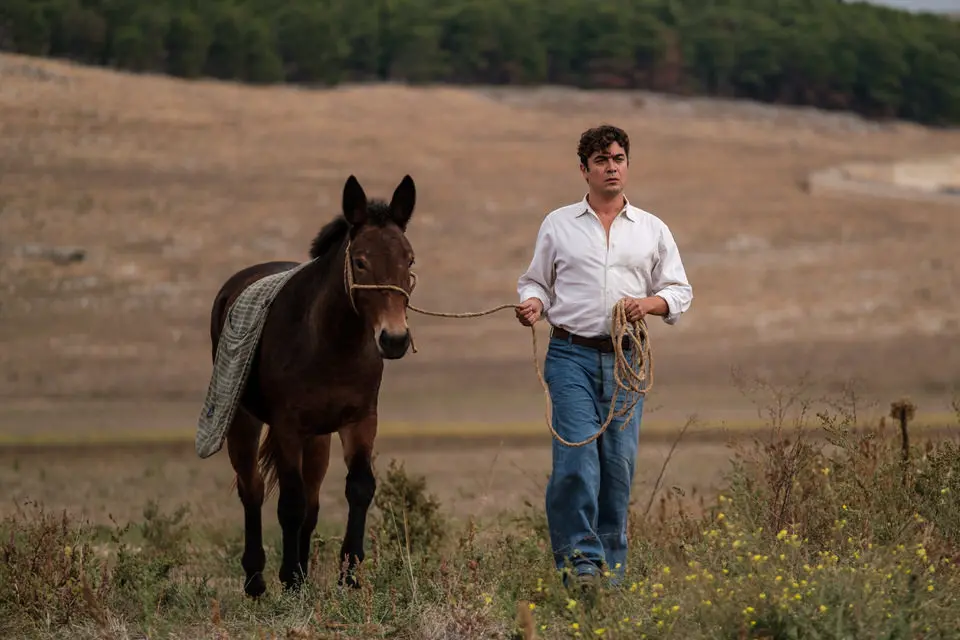
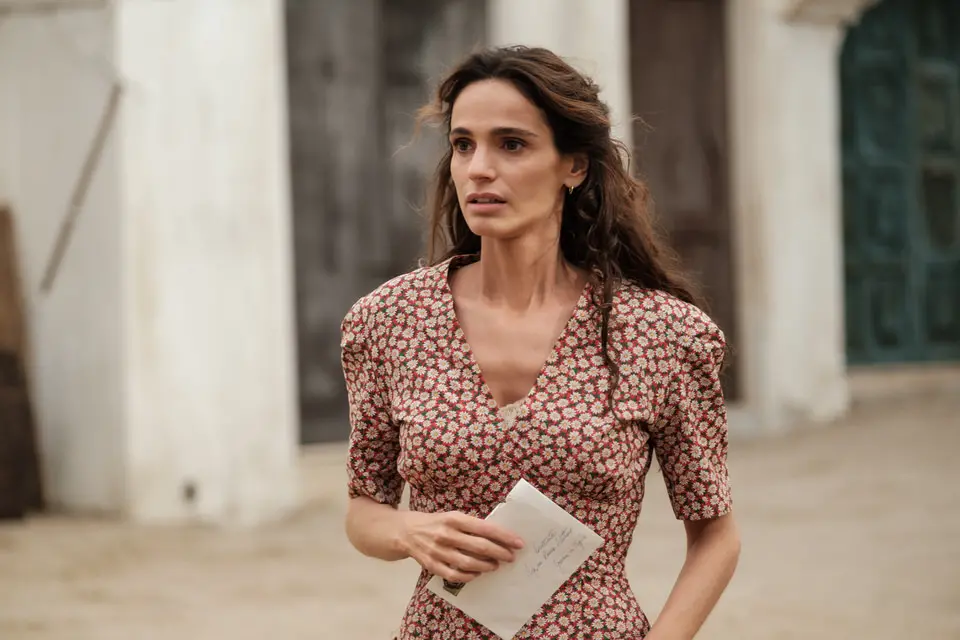
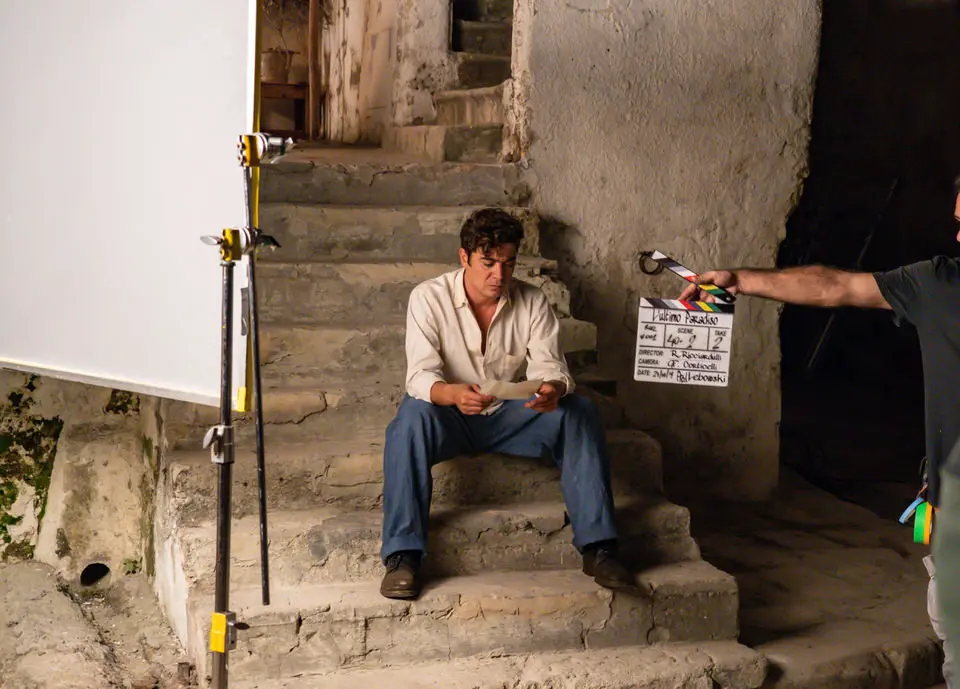
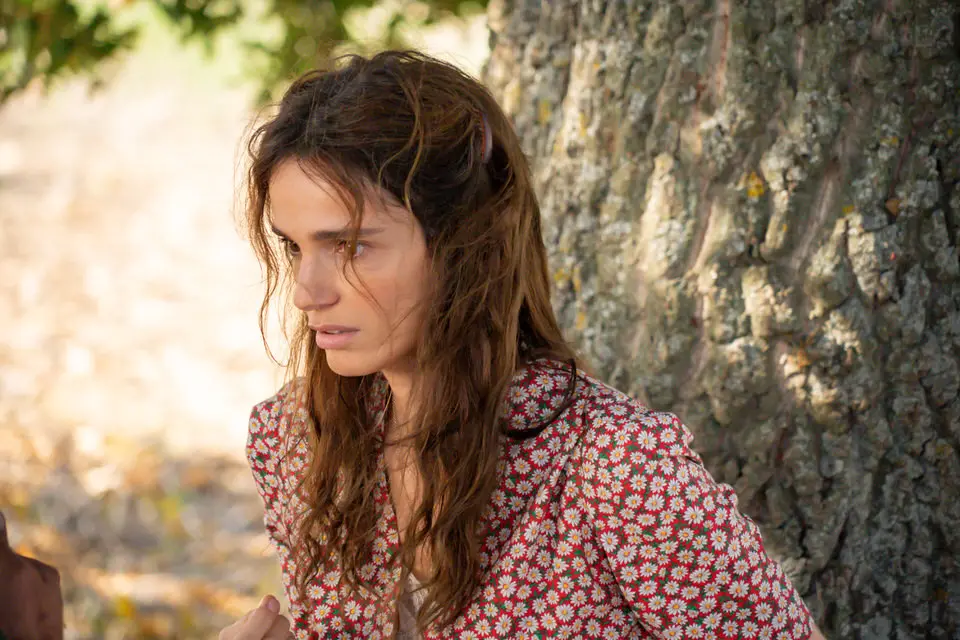
The director Rocco Ricciardulli, from Bernalda, shot his second film, L’ultimo Paradiso between October and December 2019, several dozen kilometres from his childhood home in the Murgia countryside on the border of the Apulia and Basilicata regions. The beautiful, albeit dry and arid landscape frames a story inspired by real-life events relating to the gangmaster scourge of Italy’s martyred lands. It is set in the late 1950’s, an era when certain ancestral practices of aristocratic landowners, archaic professions and a rigid division of work, owners and farmhands, oppressors and oppressed still exist and the economic boom is still far away, in time and space.
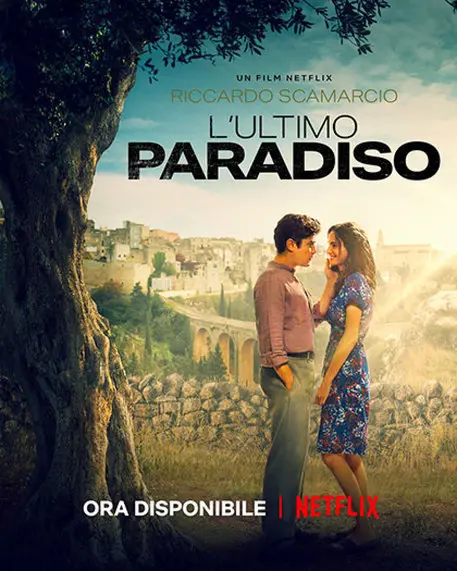
The borgo of Gravina in Puglia, where time seems to stand still, is perched at a height of 400m on a limestone deposit part of the fossa bradanica in the heart of the Parco nazionale dell’Alta Murgia. The film immortalizes the town’s alleyways, ancient residences and evocative aqueduct bridging the Gravina river. The surrounding wild nature, including olive trees, Mediterranean maquis and hectares of farm land, provides the typical colours and light of these latitudes. Just outside the residential centre, on the slopes of the Botromagno hill, which gives its name to the largest archaeological area in Apulia, is the Parco naturalistico di Capotenda, whose nature is so pristine and untouched that it provided a perfect natural backdrop for a late 1950s setting.
The alternative to oppression is departure: a choice made by Antonio whom we first meet in Trieste at the foot of the fountain of the Four Continents whose Baroque appearance decorates the majestic piazza Unità d’Italia.
The director Rocco Ricciardulli, from Bernalda, shot his second film, L’ultimo Paradiso between October and December 2019, several dozen kilometres from his childhood home in the Murgia countryside on the border of the Apulia and Basilicata regions. The beautiful, albeit dry and arid landscape frames a story inspired by real-life events relating to the gangmaster scourge of Italy’s martyred lands. It is set in the late 1950’s, an era when certain ancestral practices of aristocratic landowners, archaic professions and a rigid division of work, owners and farmhands, oppressors and oppressed still exist and the economic boom is still far away, in time and space.
The borgo of Gravina in Puglia, where time seems to stand still, is perched at a height of 400m on a limestone deposit part of the fossa bradanica in the heart of the Parco nazionale dell’Alta Murgia. The film immortalizes the town’s alleyways, ancient residences and evocative aqueduct bridging the Gravina river. The surrounding wild nature, including olive trees, Mediterranean maquis and hectares of farm land, provides the typical colours and light of these latitudes. Just outside the residential centre, on the slopes of the Botromagno hill, which gives its name to the largest archaeological area in Apulia, is the Parco naturalistico di Capotenda, whose nature is so pristine and untouched that it provided a perfect natural backdrop for a late 1950s setting.
The alternative to oppression is departure: a choice made by Antonio whom we first meet in Trieste at the foot of the fountain of the Four Continents whose Baroque appearance decorates the majestic piazza Unità d’Italia.
Lebowski, Silver Productions
In 1958, Ciccio, a farmer in his forties married to Lucia and the father of a son of 7, is fighting with his fellow workers against those who exploit their work, while secretly in love with Bianca, the daughter of Cumpà Schettino, a feared and untrustworthy landowner.
: Since patients weren't always bedridden, they continued to move through their communities, unwittingly spreading the virus further than the more debilitating "classic" smallpox. 🌍 A Global Journey The disease gained various names as it traveled:
: It was widely called alastrim (from the Portuguese alastrar , meaning "to scatter" or "to spread"). In the Caribbean : It was known as West Indian smallpox . In Africa : It was often called amaas or Kaffir pox . 🛡️ The Path to Eradication
: Because it was less severe, many people initially mistook it for chickenpox or other minor rashes.
Alastrim was first identified in the late 1800s in Africa and the Americas. Unlike variola major, which killed roughly 30% of those it infected, alastrim had a . This lower lethality created a unique challenge:
Alastrim, also known as , is the less famous but equally significant "younger sibling" of the deadly smallpox virus (variola major). While classic smallpox devastated civilizations for millennia, alastrim emerged in the late 19th century as a milder, though still dangerous, global threat. 🦠 The "Milder" Killer